
How Businesses Are Reducing Their Carbon Footprint with Kraft Paper Bowls
Sub Item 3 (H5)
Sub Item 4 (H6)
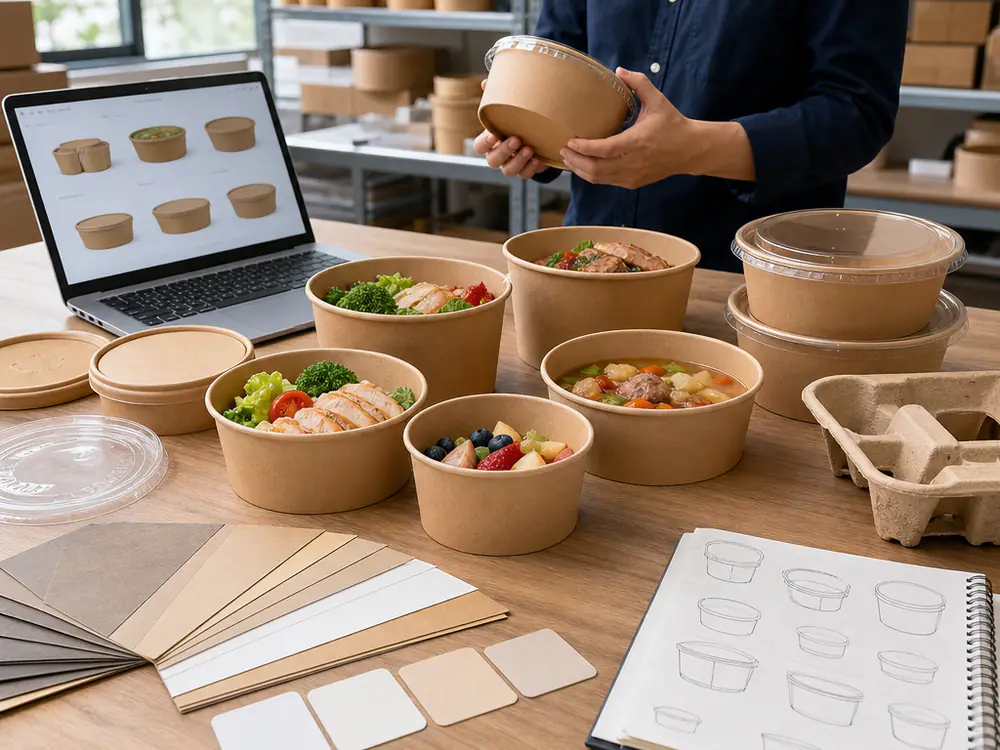
Progressive businesses in diverse sectors have been earnestly working towards diminishing their carbon footprint and adopting green operations. One area demonstrating notable strides is the transition towards eco-friendly packaging solutions. Kraft paper bowls have gained popularity among businesses aiming to reduce environmental damage while maintaining product quality. This write-up delves into how companies are efficiently lowering their carbon footprints by switching to kraft paper bowls.

1. The Eco-Aware Business Landscape
In the face of escalating climate change and environmental decay, businesses have realized the importance of implementing sustainable practices. Packaging, a crucial aspect of product delivery, has historically been a leading contributor to environmental waste and pollution. The advent of kraft paper bowls presents a feasible solution for businesses aiming to minimize their carbon emissions.
2. The Ecological Consequences of Conventional Packaging
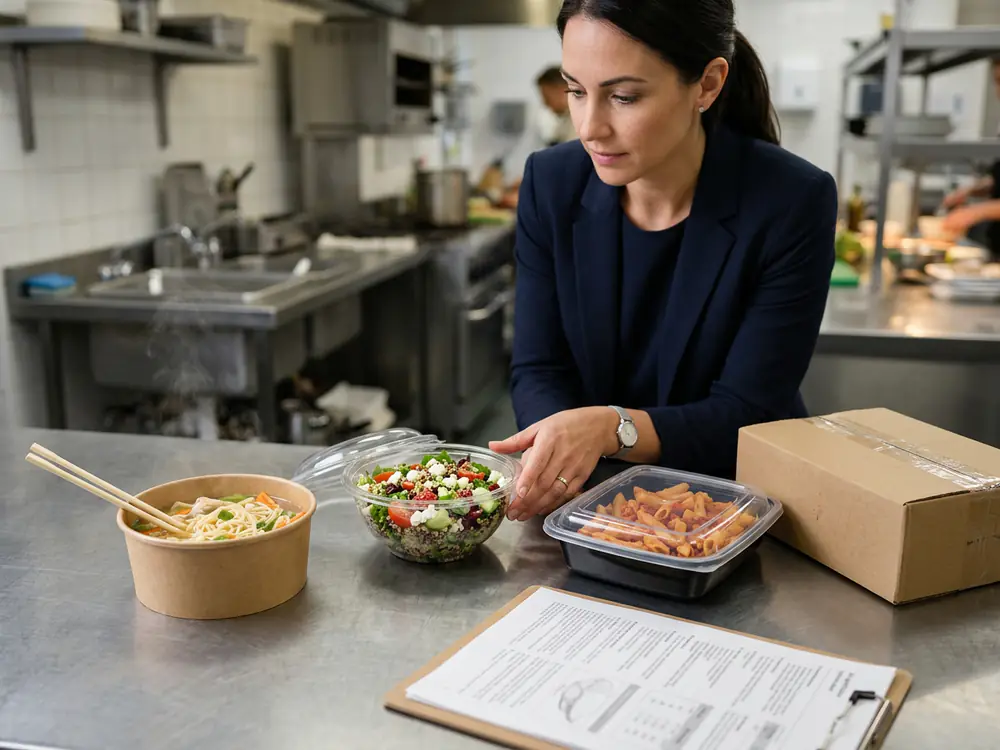
Conventional packaging solutions like plastic and Styrofoam are notorious for their detrimental environmental impacts. These materials require centuries to break down, exacerbating landfill build-up and marine pollution. Furthermore, their production involves extracting non-renewable resources and releasing damaging greenhouse gases.
3. Embracing Kraft Paper Bowls
There has been a discernible shift towards kraft paper bowls in recent years, as they represent an eco-friendly alternative to traditional packaging solutions. Kraft paper is derived from the chemical pulping of wood fibers, primarily from sustainably managed forests. This approach considerably lessens the environmental damage compared to the production of plastic or Styrofoam.

4. Advantages of Kraft Paper Bowls
4.1 Eco-Friendly Material
Inherently sustainable, kraft paper is manufactured from renewable resources, bypassing the need for fossil fuel extraction. By adopting kraft paper bowls, businesses play a part in conserving natural resources and decreasing their dependence on non-renewable materials.
4.2 Sustainable Sourcing
Kraft paper production employs wood fibers from responsibly maintained forests. These forests are meticulously managed, guaranteeing ongoing tree growth and regeneration. Unlike plastic, a petroleum derivative, kraft paper is derived from a renewable resource, thus making it a greener choice.
4.3 Decomposable and Compost-Friendly
A major benefit of kraft paper bowls is their decomposability and compatibility with composting. They naturally degrade upon disposal, returning to the environment without leaving harmful residues. This attribute helps decrease waste build-up and alleviates the pressure on landfills.
4.4 Flexibility and Practicality
Kraft paper bowls offer businesses flexibility and practicality. They lend themselves to easy customization with branding elements and come in a range of sizes and shapes to cater to various products. Additionally, their compatibility with microwave use enhances their convenience.

Welcome to
the ECONLY Blogs!
Blogs Categories




Online Service

John Pan
Marketing Director

Seven Lee
Sales Manager
What are Econly gonna Do?
1st step: the use of professional knowledge and production capacity to provide quality products;
2nd step: optimize the product pain point, help to solve the customer's terminal sales problems;
3rd step: improve the selection of raw materials and technology level, improve the quality of life of buyers;
4th Step: profit feedback production and society, to create value for the cause of environmental protection.